Introduction to Crane Control Systems
Crane Control Systems refer to a series of technologies and devices used to control various functions in crane systems, including vertical movement (lifting or lowering loads), horizontal movement (left-right sliding), and overall crane speed and position adjustments. These control systems play a crucial role in ensuring precise, safe, and efficient crane operations.
Crane control systems have evolved rapidly with the advent of advanced automation and electronic technologies, enabling more accurate and predictable crane operations. With modern control systems, cranes can be operated more efficiently, reducing accident risks and extending the operational lifespan of the equipment.
Main Components in Crane Control Systems
Crane control systems consist of several main components that work together to provide stable and responsive control. Some key components found in crane control systems include:
- Motor Control: Drive motor systems, which control the vertical and horizontal movement of cranes, can be controlled through Variable Frequency Drives (VFDs) or inverters. VFDs allow smooth and precise motor speed regulation, reducing vibrations and improving operational comfort and safety.
- Control Panel: The control panel is the primary interface between the operator and the crane. This can be traditional analog panels or advanced digital panels that allow operators to efficiently control all crane functions. Digital panels often feature touch screens and status indicators showing real-time crane conditions.
- Sensors and Measurement: Various sensors monitor crane conditions, such as load sensors to ensure loads don't exceed capacity, position sensors to determine load location, and temperature sensors to monitor motor or hydraulic system temperatures to prevent overheating. These sensors provide essential data for automatic control and safety settings.
- Remote Control: Remote control systems allow operators to control cranes from a distance, increasing operational flexibility and safety. These can be wired remote controls or wireless remote controls based on radio or Bluetooth technology.
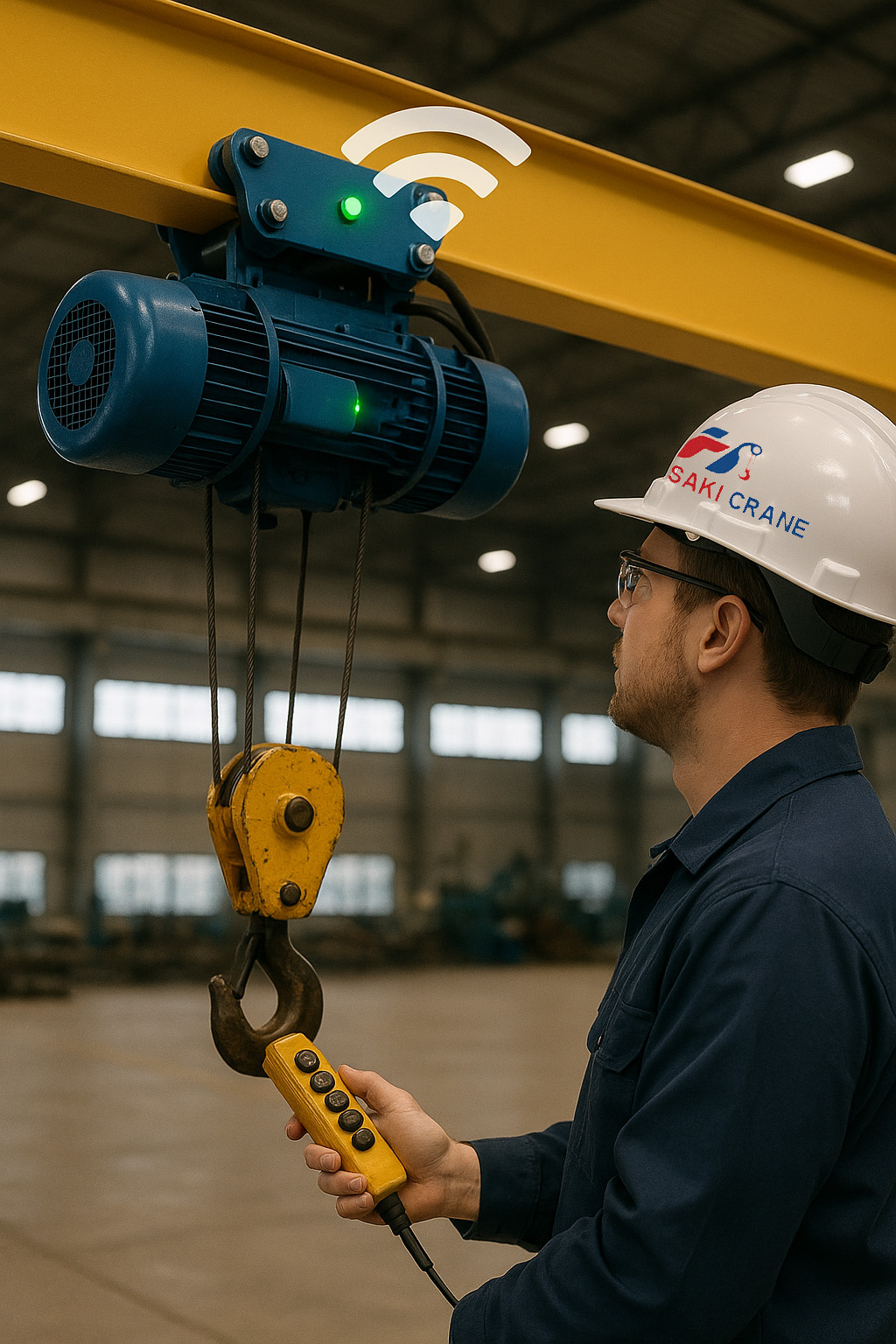
Crane Control Systems
Types of Crane Control Systems
Various types of crane control systems are used depending on the crane type, application, and desired level of automation. Here are some commonly used crane control systems:
- Manual Control: Manual control systems are the simplest type, where operators use levers or buttons to move cranes as needed. This system provides direct control but requires higher operator experience and is less efficient in terms of precision.
- Automated Control: Cranes with automated control use PLC (Programmable Logic Controller) systems that can be programmed to perform specific tasks without requiring manual input. This system enables more precise and safe crane operations while reducing potential human errors.
- Sensor-Based Control: In this system, sensors detect position and load. This is particularly useful for cranes handling heavy loads or operating in hard-to-reach areas. Sensors provide immediate feedback to the control system, which automatically adjusts crane movements based on received data.
- Networked Control: This system integrates crane control into larger network systems, allowing cranes to communicate with other devices in industrial environments such as monitoring systems or maintenance systems. Using networks, cranes can operate efficiently within automated production systems or in work areas connected to other machines.
Advantages of Modern Crane Control Systems
With technological advancements, crane control systems now come with various sophisticated features offering numerous benefits for industries. Some key advantages of modern crane control systems include:
- Enhanced Precision: Modern crane control systems allow more precise movements with smoother speed and position adjustments. This is particularly important for applications requiring high accuracy, such as lifting extremely heavy loads or moving goods in tight spaces.
- Energy Efficiency: More advanced control systems, such as VFDs, enable efficient motor speed regulation, reducing energy consumption. Cranes can operate at lower power when full speed isn't required, resulting in significant energy savings.
- Improved Safety: Using various sensors and automated control systems can reduce accident risks. For example, load sensors ensure cranes won't lift loads exceeding maximum capacity, and automated systems can shut down cranes automatically if technical issues are detected.
- Enhanced Durability: By optimizing crane operation, good control systems can extend crane machinery lifespan. Reducing wear on motors and other mechanical components and avoiding inefficient operations can prevent premature equipment damage.
- Remote Monitoring: Some modern crane control systems can be accessed remotely through applications or software, allowing remote monitoring and operation of cranes. This increases operational flexibility and enables real-time crane condition monitoring.
Integration of Crane Control Systems with IoT
In Industry 4.0, crane control systems are increasingly integrated with Internet of Things (IoT) technology. Using smart sensors connected to networks, real-time data about crane performance, motor conditions, loads, and other operational statuses can be collected and analyzed to improve efficiency and safety. IoT systems enable more dynamic and proactive crane operations with the ability to detect issues before major damage occurs.
Through IoT integration, data collected by cranes can be forwarded to cloud platforms or predictive maintenance systems, which then analyze usage patterns and provide maintenance recommendations or adjustments to achieve optimal performance. This not only reduces maintenance costs but also prevents unplanned downtime.
Conclusion
Modern crane control systems play a vital role in ensuring efficiency, safety, and precision in hoist crane operations. By integrating advanced technologies such as PLCs, VFDs, smart sensors, and IoT systems, companies can optimize their crane performance, increase productivity, and reduce accident risks and equipment damage. Smarter crane control systems bring benefits not only in terms of energy and operational cost savings but also in improving workplace safety and extending the operational lifespan of the cranes themselves.